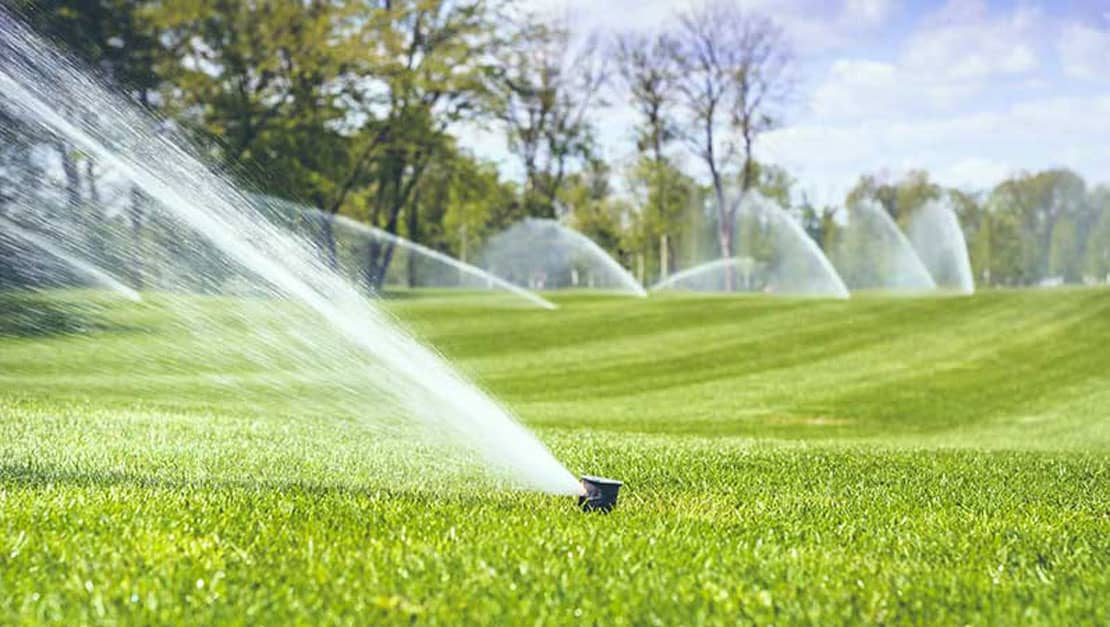
The summer of 2026 is shaping up to be a severe drought year, with much of the United States currently experiencing moderate to exceptional drought conditions. Snowpack levels across key Western states are well below historical averages, contributing to reduced water availability and increased pressure on irrigation systems.
Across golf courses, athletic fields, and managed lawncare properties, these conditions create real challenges - balancing turf quality, playability, and visual expectations while managing limited water resources. Proactive planning now can help maintain performance and reduce stress during peak summer months.
Cultural Practices to Manage Drought Stress
Effective drought management starts with strong cultural practices. While many strategies apply broadly, how they are implemented can vary by turf system and use.
Golf Courses
Golf course superintendents can prioritize irrigation on high-value playing surfaces, such as greens and tees, while reducing water inputs on roughs and out-of-play areas. Adjusting mowing heights to increase leaf surface area and maintaining sharp blades can also help reduce plant stress and moisture loss.
Sports Turf
For sports fields, maintaining safe and consistent playing conditions is critical. Focus on managing moisture in high-traffic areas such as goal mouths, sidelines, and center fields, where wear stress is greatest. Increasing aerification early in the season can improve infiltration and reduce runoff during limited irrigation cycles.
Lawncare and Managed Landscapes
In lawncare and landscape settings, prioritizing visible or high-traffic areas can help maintain overall property appearance while reducing water usage elsewhere. Communicating expectations with clients during drought conditions is also important, as turf may experience natural dormancy under prolonged stress.
Across all segments, practices such as aerification, raising height of cut, and improving infiltration can help maximize the efficiency of available water.
Maximizing Water Efficiency with Wetting Agents
While cultural practices form the foundation of drought management, many turf managers incorporate wetting agents to improve water efficiency and maintain more consistent soil moisture.
Wetting agents help ensure that available water moves more effectively into the soil profile, reducing localized dry spots and improving uniformity. This can be especially valuable when irrigation is limited or inconsistent.
Depending on turf type, soil conditions, and usage demands, different wetting strategies can help address specific challenges - whether improving infiltration, correcting water repellency, or extending moisture availability between irrigation events.
PerformancePack® Solutions for Drought Conditions
Simplot Turf and Horticulture offers a range of wetting agents designed to support moisture management programs across golf, sports turf, and lawncare applications.
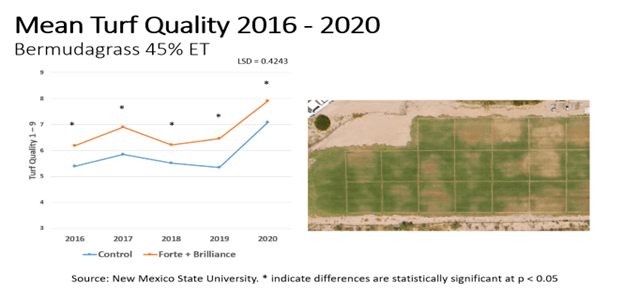
Rely III™ - Supports season-long moisture management by helping prevent water repellency and maintaining more consistent soil moisture.
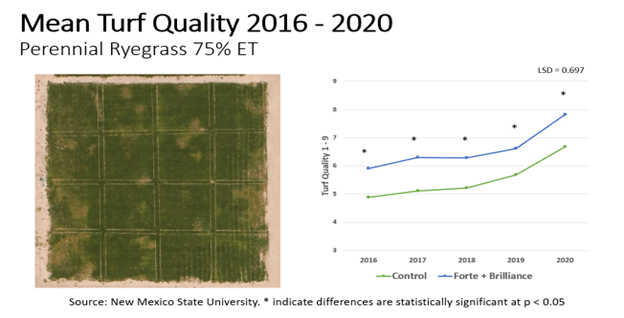
Forté™ - Enhances water penetration into hydrophobic soils and can improve infiltration following irrigation or rainfall events.
Brilliance® - Addresses persistent water repellency in the root zone and provides consistent performance over time.
CounterAct® Firm - Promotes uniform water movement throughout the root zone, supporting consistency in turf performance.
CounterAct® Retain - Designed to help extend moisture availability and retain water in the soil profile during extended dry periods.
Key Takeaways for Turf Managers
- Prioritize irrigation where performance, safety, and visibility matter most
- Use cultural practices to improve water infiltration and reduce stress
- Incorporate wetting agents to maximize available moisture
- Plan early to better manage peak summer drought conditions
- Adjust strategies based on turf use and environmental conditions
Work with Your Simplot T&H Turf Advisor
Every property responds differently to drought stress. Your Simplot Turf and Horticulture Turf Advisor can help you evaluate current conditions and build a program tailored to your operation.
They can support you with
- Assessing irrigation efficiency and soil conditions
- Identifying areas most vulnerable to drought stress
- Developing a customized cultural and wetting agent program
- Selecting the right solutions based on turf type, usage, and budget
Reach out to your local Simplot T&H Turf Advisor to put a plan in place before drought conditions intensify.